There's a moment every salesperson knows. You're mid-call, the prospect asks about a specific use case, and you need to pull up the proposal, the last meeting note, the product doc, and the Slack thread where your manager gave you the green light on a discount — all at the same time, across four different tools, while pretending you're completely on top of everything.
That's not a selling problem. That's a systems problem. And it's costing your team deals.
The hidden cost of a fragmented sales stack
Most sales teams operate with something like this: a CRM for pipeline tracking, a project tool for deal tasks and follow-ups, Slack for internal coordination, Notion or Google Docs for proposals and playbooks, and email for everything that falls through the gaps between all of the above.
The result is that your deal context is never in one place. Meeting notes live in your CRM. The proposal lives in Google Drive. The discount approval lives in a Slack DM. The product comparison your prospect asked for lives in a Notion doc someone built six months ago and may or may not be accurate anymore.
Every time a rep switches context to find something, they lose momentum. Every time a manager tries to coach a rep on a deal, they're assembling the full picture from five different sources. Every time a new hire joins the team, they spend their first three weeks finding out where everything lives.
This isn't inefficiency. This is structural. And it gets worse as your team grows.
What a sales team actually needs from its internal tools
A sales team needs a CRM that tracks the pipeline without requiring a 45-minute weekly admin session just to keep it current. It needs deal notes and meeting summaries connected to the contact record, not floating in a separate doc. It needs a shared playbook that everyone actually uses because it's easy to find, not buried in a Notion folder that hasn't been opened since Q2.
It needs a place for internal deal coordination — where reps can loop in solutions engineers, get pricing approval from a manager, or ask a quick question without that thread disappearing in the Slack scroll three hours later. It needs onboarding materials for new reps that are structured, searchable, and maintained without a dedicated RevOps hire.
And it needs all of that to work together without the rep having to be the integration layer between disconnected tools.
Tixio gives your sales team one workspace for everything
Tixio's CRM module is built for teams that need pipeline management without enterprise complexity. Your deals, contacts, and supplier or client records live in one place, linked directly to the tasks, docs, and conversations that belong to them. When a rep logs a meeting note, it's attached to the contact. When a manager reviews a deal, they see the full history — no tab switching, no "can you send me the latest proposal" messages.

The Wiki module becomes your sales team's living playbook. Objection handling, competitive battlecards, pricing guidelines, proposal templates, onboarding tracks for new reps — all searchable, all editable, all in one place that your team can actually find mid-call.
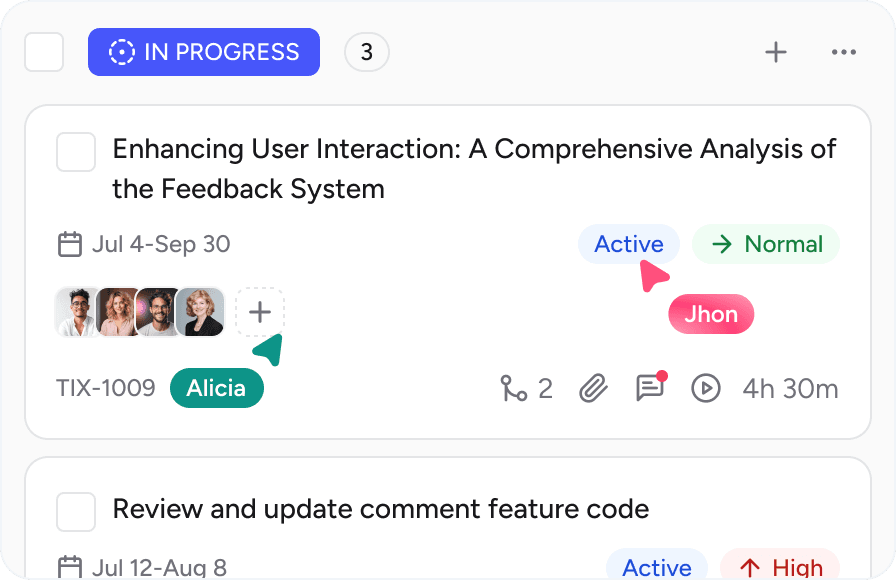
Projects connects deal coordination to your internal workflow. Need to loop in a solutions engineer? Create a linked task. Need sign-off on a non-standard discount? Tag your manager in a task connected to the deal record. No more Slack threads that lose context after 48 hours.
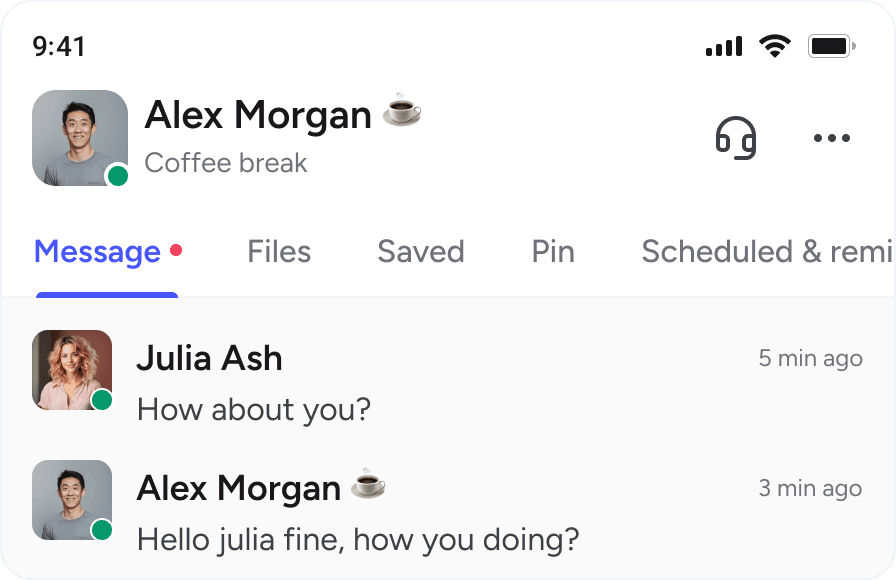
Chat keeps your team's internal conversations connected to actual work. Deal channels, manager-rep threads, and team-wide announcements all live in the same workspace as your CRM and playbook — so nothing important gets buried in a separate app.
For sales managers specifically
Managing a sales team means you're constantly trying to answer the same questions: which deals need attention, which reps are blocked, which prospects are going cold, and who needs coaching before a key call this week.
When your team works inside Tixio, you stop spending your Monday morning assembling that picture from five different sources. Your pipeline is in the CRM. Your team's tasks and blockers are in Projects. Your rep's notes are in the Wiki or linked to the deal. You see everything without asking for it.
You also build new rep onboarding once and reuse it every hire. Your playbook gets updated in one place and everyone sees the current version. Your team's best practices don't live in one veteran rep's head — they live in a shared wiki that your whole team can search and build on.
The cost argument
A 10-person sales team running a CRM, a project tool, Slack, and a knowledge base separately is spending $200 to $350 per month in tool subscriptions alone, not counting the time tax of switching between them. The same team on Tixio pays $28 per month with everything included.
The more important number is what your reps do with the 45 minutes a day they stop spending on tool administration. Across a 10-person team, that's 75 hours a week redirected toward actual selling.
Getting your sales team onto Tixio
Setup takes less than a day. You import your existing contacts and deal records, activate the CRM, Projects, Wiki, and Chat modules, and book a free onboarding session where Tixio walks your team through the configuration that fits your sales process.
No migration consultant. No 6-week rollout. No change management project. Your reps are working from one workspace by end of week.
One workspace. Every deal. Every rep. Every conversation. In one place.