Team Collaboration Tools That Actually Work for Agencies
If you have ever managed a growing agency, you already know the chaos that comes with scaling. Missed deadlines, unclear ownership, client emails buried in someone's personal inbox, and a Slack channel that has turned into a graveyard of unresolved questions. The right team collaboration tools do not just make your team look organized. They change how your agency actually operates.
According to a report by McKinsey, productivity improves by 20 to 25 percent in organizations where employees are connected using social and collaboration tools. For agencies that live and die by billable hours and client satisfaction, that number is not just a statistic. It is a competitive advantage.
This post is for agency founders, operations leads, and project managers who are done guessing which tools are worth the subscription cost and which ones just add noise to an already noisy workflow.
Why Team Collaboration Tools Matter More for Agencies Than Other Businesses
Agencies operate differently from product companies or internal teams. You are managing multiple clients simultaneously, each with their own timelines, brand guidelines, revision cycles, and communication preferences. Your team might be juggling five client campaigns at once while onboarding a sixth. That level of complexity demands tools built for collaboration under pressure.
A 2023 survey by Wrike found that 90 percent of workers believe decision-making processes at their companies need improvement, and poor collaboration was listed as a top reason. In agency environments, that problem is multiplied. One misaligned message to a client can unravel weeks of work.
The tools you choose need to serve two distinct audiences: your internal team and your external clients. That dual responsibility is what makes agency project tools different from standard business software.
The Core Categories of Team Collaboration Tools for Agencies
Before jumping to specific platforms, it helps to understand the categories of tools your agency actually needs. Most agencies require a combination of the following:
- Project management tools for tracking tasks, deadlines, and deliverables
- Communication platforms for internal team conversations
- Client-facing portals for transparent project updates and approvals
- Document and file collaboration tools for creative and content teams
- Time tracking and reporting tools for billing and performance insights
The mistake most agencies make is picking one or two tools and expecting them to cover everything. That leads to workarounds, manual processes, and eventually, the same chaos you were trying to fix.
Top Team Collaboration Tools for Agencies in 2026
1. Asana
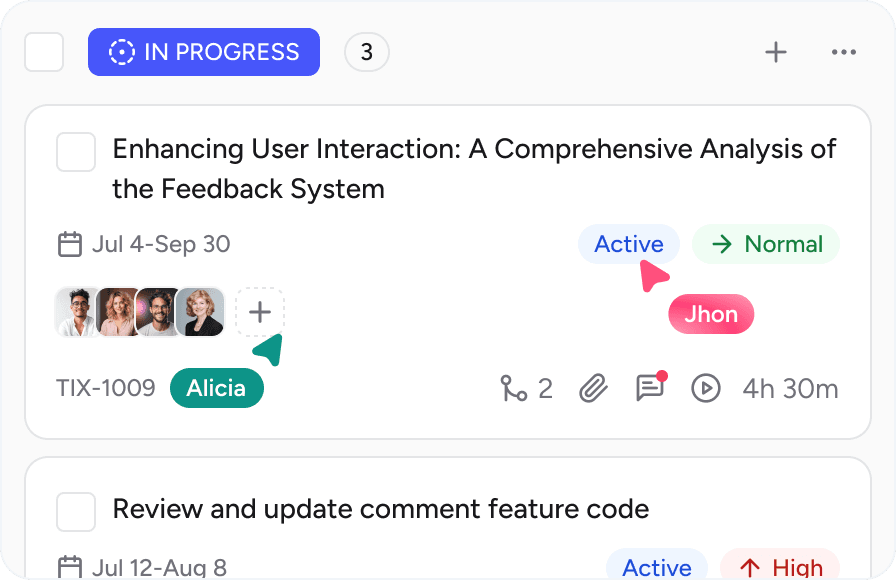
Asana remains one of the most widely used agency project tools for a reason. It gives you multiple views including list, board, timeline, and calendar so different team members can see project status in the way that works best for them. The Timeline view is especially useful for agencies managing multiple client projects with overlapping deadlines.
What makes Asana strong for agencies is the ability to create project templates. If you onboard a new SEO client every quarter, you do not want to rebuild the project from scratch every time. Templates let you standardize the process so nothing slips through the cracks.
Asana also integrates with Slack, Google Workspace, HubSpot, and over 200 other tools, which is important when your agency stack already has several moving parts.
Best for: Mid-size to large agencies managing multiple client projects simultaneously
Pricing: Free plan available; Premium starts at $10.99 per user per month
2. ClickUp
ClickUp positions itself as the everything app for work, and for agencies, that ambition is actually useful. It combines project management, docs, goals, chat, and time tracking in a single platform. The learning curve is steeper than Asana, but the payoff is a consolidated workflow.
One feature agencies particularly benefit from is the Client Portal capability through Guest access. You can invite clients to view specific spaces, tasks, or folders without giving them access to everything. That kind of controlled visibility improves trust without creating security risks.
ClickUp also offers robust automations. You can set up rules like automatically assigning a review task to a creative director whenever a designer marks their work as complete. That removes the manual follow-up that often creates bottlenecks.
Best for: Agencies looking to consolidate multiple tools into one platform
Pricing: Free plan available; Unlimited plan starts at $7 per user per month
3. Monday.com
Monday.com is visually clean and easy to customize, which makes it popular among creative agencies. You can build dashboards that show workload per team member, project status across all clients, and upcoming deadlines in a single view. That bird's eye visibility is something agency leads genuinely need.
The platform also has strong CRM features, which bridges the gap between project management and agency client management. You can track deals, onboarding stages, and project milestones within the same system.
According to Monday.com's own data, teams using the platform report saving an average of 7.7 hours per week on manual work. For an agency billing by the hour, recovering that time across a 10-person team is significant.
Best for: Creative and marketing agencies that prioritize visual project tracking
Pricing: Basic plan starts at $9 per seat per month
4. Slack
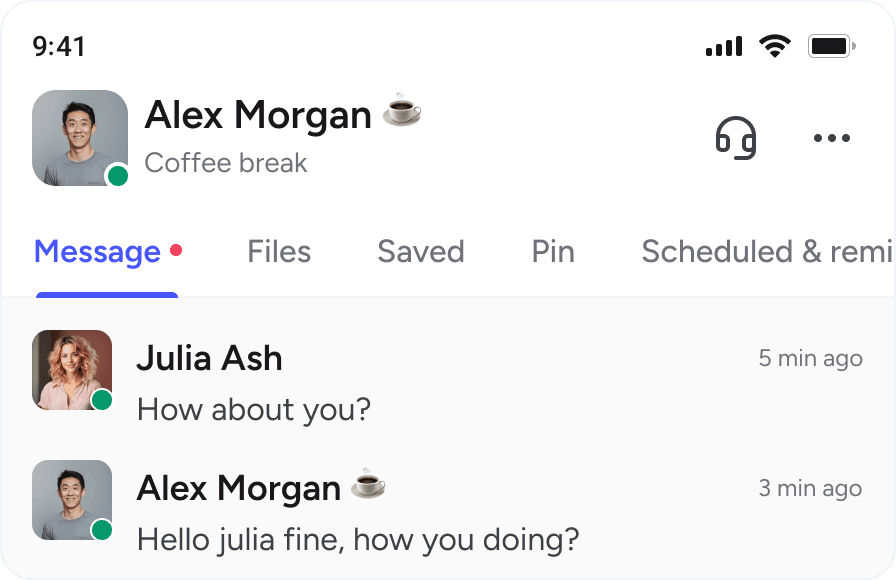
Slack is the backbone of internal communication for most modern agencies. Channels keep conversations organized by project, client, or department. Threaded replies reduce inbox clutter. And integrations with tools like Asana, Google Drive, and Zoom make it a central hub rather than just a messaging app.
For agency client management, some teams create dedicated channels for each client with relevant stakeholders from both sides. This keeps communication centralized and searchable instead of scattered across email threads.
The downside is that Slack can become overwhelming fast. Without clear naming conventions and channel hygiene, it turns into a productivity drain. Agencies that use Slack well tend to have documented norms around when to message versus when to create a task.
Best for: Internal team communication and real-time coordination
Pricing: Free plan available; Pro plan starts at $7.25 per user per month
5. Notion
Notion is where agencies store their institutional knowledge. It works as a wiki, a project tracker, a content calendar, a client onboarding hub, and a document editor all at once. The flexibility is its greatest strength and also its biggest challenge, since you need someone to set it up thoughtfully or it becomes a digital junk drawer.
For agencies, Notion works well as the place where everything is documented. SOPs, brand guidelines, meeting notes, content briefs, and client deliverable templates all live there. When someone new joins your team, Notion becomes the resource that gets them up to speed without requiring hours of manual training.
Best for: Agencies that need a centralized knowledge base and flexible documentation
Pricing: Free plan available; Plus plan starts at $8 per user per month
6. Loom
Loom is not a traditional project management tool, but it deserves a spot on this list because it solves a very specific agency problem: explaining complex feedback without scheduling a call. With Loom, team members can record their screen and voice to walk through a deliverable, explain a revision, or demo a new process.
For agency client management, Loom is particularly useful when presenting work. Instead of a lengthy email describing a design concept, you send a two-minute video walkthrough. Clients understand the context better, feedback is clearer, and revision cycles get shorter.
Best for: Async communication, client presentations, and internal feedback
Pricing: Free plan available; Business plan starts at $12.50 per user per month
How to Approach Agency Client Management with Collaboration Tools
Agency client management is its own discipline, and the tools you use should reflect that. Clients want transparency without being overwhelmed. They want to feel in the loop without needing to send a status email every few days. The right collaboration setup gives them both.
Create a Client-Facing Dashboard
Whether you use ClickUp, Monday.com, or Asana, most platforms allow you to create a client-accessible view of the project. This does not mean giving clients access to your internal discussions or team notes. It means showing them a clean view of milestones, upcoming deliverables, and current status.
Agencies that implement client dashboards report fewer status update requests because clients can check the project themselves. That alone saves hours of account management time each month.
Standardize the Onboarding Process
New client onboarding is where most agencies drop the ball. The excitement of winning the business fades fast when the handoff from sales to delivery is messy. Use your project tools to build an onboarding checklist that gets triggered every time a new client is added.
This checklist should include things like gathering brand assets, setting up communication channels, scheduling kickoff calls, and establishing reporting cadences. Automations in tools like ClickUp or Asana can handle the triggering so no one has to remember to do it manually.
Set Communication Norms Early
One of the most common sources of friction between agencies and clients is miscommunication around how and where to communicate. Some clients want weekly emails. Others want to be in a shared Slack channel. Some prefer everything in the project tool.
Document and agree on communication preferences during onboarding, and then make sure your tools reflect those preferences. If a client wants updates via email, do not expect them to check a project portal. Build the workflow around their behavior, not the other way around.
Common Mistakes Agencies Make When Choosing Collaboration Tools
Picking tools is easy. Getting your team to actually use them consistently is the hard part. Here are the mistakes that derail most agencies:
- Choosing too many tools at once: Adding five new platforms in a month guarantees that none of them get adopted properly. Roll out one tool at a time with a clear purpose and training plan.
- Skipping documentation: A tool is only as good as the process behind it. If you do not document how tasks should be created, named, and updated, people will use the tool differently and the data becomes meaningless.
- Ignoring team feedback: If your team finds a tool frustrating, the problem may be the setup rather than the tool itself. Build feedback loops into your rollout so you can adjust before people stop using it entirely.
- Using project tools for client communication: Unless the client is actively engaged in the project tool, using it as your primary client communication channel creates gaps. Know where your clients actually are and meet them there.
- Not reviewing tool performance: Tools accumulate over time and so do subscription costs. Review your agency's tool stack quarterly to make sure everything you are paying for is actually being used and delivering value.
Building a Lean and Effective Agency Tool Stack
You do not need ten tools to run a well-organized agency. Most successful agencies operate with three to five core platforms that cover all the essentials. Here is what a lean stack might look like:
- Project management: Asana or ClickUp
- Internal communication: Slack
- Documentation and knowledge base: Notion
- Client communication and reporting: A client portal or a shared project view within your PM tool
- Async video: Loom for feedback and walkthroughs
That stack covers project tracking, team communication, knowledge management, client visibility, and async collaboration. It is not exhaustive, but it is functional and manageable.
The goal is not to have the most sophisticated tech stack. The goal is to have a stack your team actually uses consistently enough to make your agency more effective.
What to Look for When Evaluating Agency Project Tools
Not every project management tool is built for agency workflows. When evaluating options, ask these questions:
- Does it support multiple clients or projects with separate workspaces?
- Can you control what clients see versus what stays internal?
- Does it have resource management or workload views to prevent burnout?
- How strong are the reporting and analytics features?
- Does it integrate with the other tools you already use?
- Is the mobile experience usable for team members on the go?
Pricing matters too, but it should not be the primary driver. A tool that saves your account managers two hours per week and reduces client complaints is worth more than a cheaper alternative that creates friction.
The Future of Team Collaboration in Agencies
AI-assisted project management is already here. Tools like Asana and ClickUp are building AI features that can auto-generate tasks from meeting notes, suggest deadlines based on historical data, and flag risks before they become problems. For agencies, this means less administrative overhead and more time spent on the work clients actually pay for.
Remote and hybrid work has also permanently changed how agency teams collaborate. According to Buffer's State of Remote Work report, 98 percent of remote workers would want to continue working remotely at least part of the time for the rest of their careers. That means the demand for strong async collaboration tools is not going away.
Agencies that build their collaboration infrastructure around async-first workflows, clear documentation, and client transparency will be better positioned to scale without adding unnecessary overhead.
The agencies winning in the next few years will not necessarily be the ones with the biggest teams or the most clients. They will be the ones who figured out how to move faster, communicate more clearly, and deliver more consistent results. And the right team collaboration tools will be a big part of how they get there.