Logistics is one of the few industries where an internal communication failure has an immediate, physical consequence. A warehouse team that doesn't know about a route change sends a driver to the wrong location. A dispatch team that can't find the updated client SOP handles a delivery exception the wrong way. An HR team that's three days behind on a new hire's onboarding means a shift goes understaffed on a peak day.
In most industries, a tool fragmentation problem shows up as lost hours and mild frustration. In logistics, it shows up as missed SLAs, client escalations, and operational cost that hits the bottom line before anyone can trace it back to a Slack thread nobody saw.
What's actually breaking in a logistics team's internal operations
The operational complexity of a logistics business doesn't come from the work itself. It comes from the coordination layer sitting on top of it — and that coordination layer is almost always held together with tools that weren't designed for it.
Dispatch and operations teams are tracking shipment schedules, communicating route changes, managing exceptions, and coordinating with drivers and warehouse leads — often simultaneously, often in real time. When that coordination happens across WhatsApp groups, email threads, spreadsheets, and a project tool nobody fully adopted, the margin for error is enormous.
Supplier and vendor management is another gap. Carrier contracts, rate cards, vendor onboarding checklists, and SLA documentation live in different places for different people. When a vendor changes a rate or a carrier fails to meet a service level, the person who needs that contract information to respond is usually three steps away from finding it.
Client operations teams handling freight bookings, delivery confirmations, and escalation management need standard operating procedures they can access in seconds — not after navigating three folders in a shared drive that was last organised in 2022.
HR and people ops in logistics carries its own particular weight. High turnover, seasonal headcount spikes, shift-based attendance, compliance documentation, and rapid onboarding for drivers and warehouse staff — all of it needs a system that works without a dedicated HRIS team managing it.
And across all of this, the leadership team is trying to track project progress, team performance, and operational KPIs from a patchwork of reporting tools that each tell half the story.
What a logistics team actually needs from one workspace
Operations and dispatch teams need a shared project board where route schedules, exception handling tasks, and daily operational priorities are visible to everyone who needs to act on them. Not a spreadsheet. Not a WhatsApp group. A structured, searchable, real-time system where updates are attached to the task they belong to.
Supplier and vendor teams need a CRM that tracks every carrier and vendor relationship — contact records, contract status, rate history, onboarding progress, and SLA performance — without needing a $300 per month HubSpot subscription to do it.
Client ops and support teams need a wiki where every client's SOP, delivery protocol, and escalation process is documented, maintained, and findable in under 30 seconds. When a driver calls in with a delivery exception at 6am, the person handling it should not be reading a chain of forwarded emails to figure out what the client's protocol is.
HR teams need attendance tracking, leave management, contract storage, and onboarding workflows that work for shift workers and field staff — not just office employees. And they need it without a separate HRIS platform that costs more per month than your entire operations tool stack.
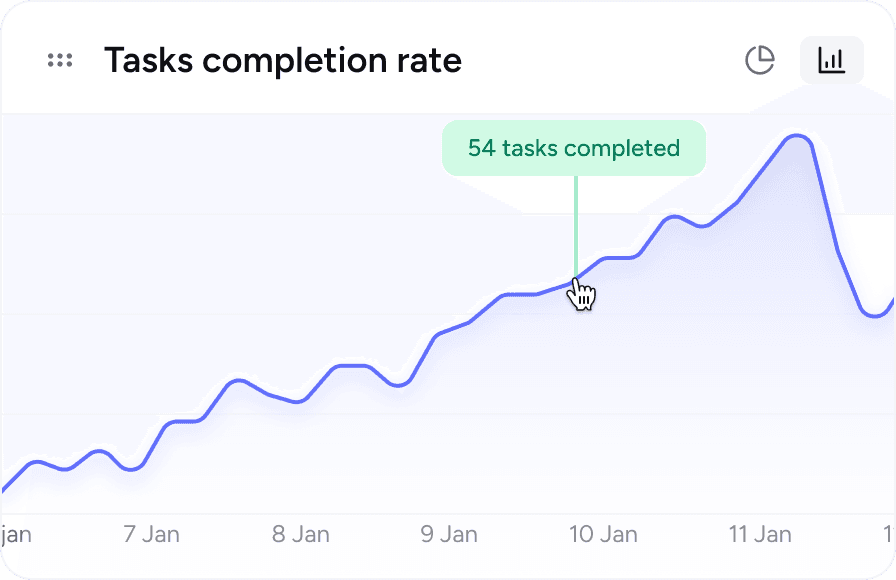
Leadership needs dashboards and reporting that pull from real project data — not a weekly status email someone assembled manually from five different sources.
How Tixio connects every part of a logistics operation
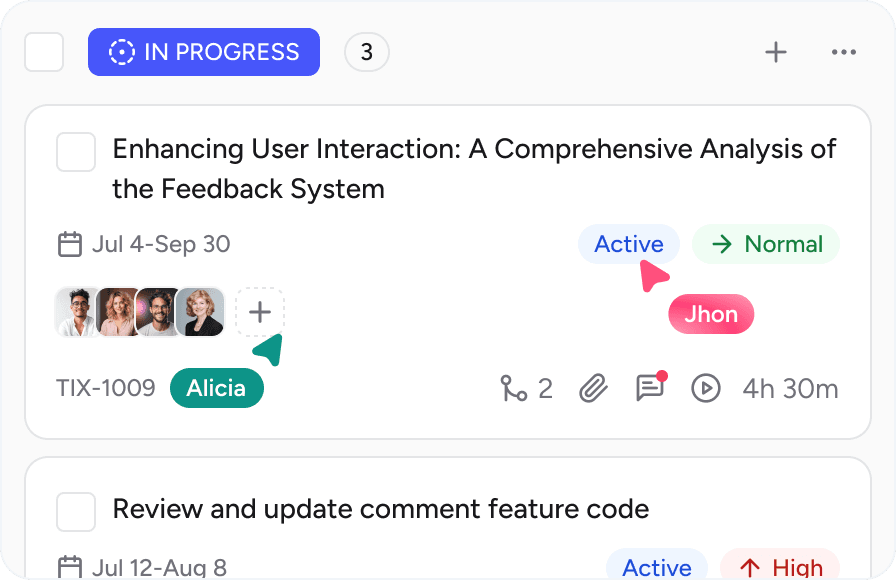
Tixio's Projects module gives your operations and dispatch teams a real-time board where daily tasks, route exceptions, client deliverables, and team priorities are tracked in one place. Tasks link to the documents and SOPs they're based on. Updates are visible to everyone who needs to see them without a separate notification in a separate app.
The Wiki becomes your logistics team's operational brain. Driver SOPs, warehouse procedures, client-specific delivery protocols, carrier onboarding checklists, compliance documentation, and escalation flows — all structured, searchable, and maintained in one place. When a process changes, it changes in one place and everyone sees the update.
The CRM module handles your carrier and vendor relationships without the complexity or cost of an enterprise sales CRM. Contact records, contract notes, rate history, and onboarding status for every supplier in your network — visible to your ops team without requesting access to someone else's tool.
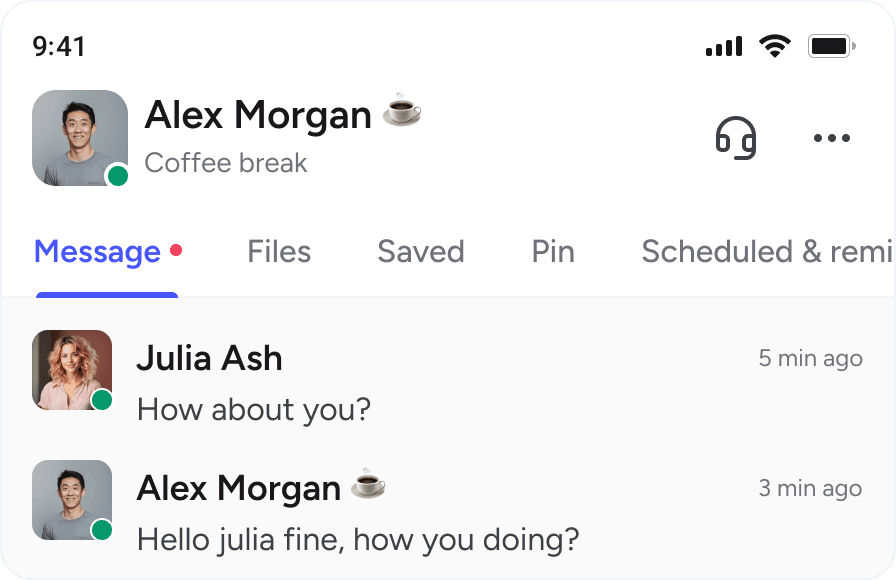
Chat keeps your internal coordination connected to actual work. Dispatch channels, warehouse shift leads, driver support threads, and management comms all live inside the same workspace as your tasks and documents. When a conversation leads to a decision, that decision becomes a task — not a message that scrolls out of view by morning.
The HR module handles attendance, leaves, shift records, contracts, and onboarding for your entire workforce, including field staff and drivers. New hire onboarding is a documented workflow, not a manual process rebuilt every time someone joins. Seasonal headcount spikes don't become an HR admin crisis.
And because Tixio is modular, your dispatch team sees what they need, your HR team sees what they need, and your management team sees across everything — without forcing everyone into the same view or paying for features entire departments will never use.
For logistics operations managers specifically
Your job is to keep a complex, moving system running without gaps. Right now, a significant portion of your week goes to information retrieval — chasing updates, assembling status reports, finding out who has the latest version of a document, and figuring out why a task that should have been done yesterday wasn't.
When your team works inside Tixio, that retrieval cost drops to near zero. Your operational tasks are in Projects. Your carrier records are in the CRM. Your SOPs are in the Wiki. Your team's conversations are in Chat, linked to the work they're about. You stop being the integration layer between your team's tools and start spending that time on the decisions that actually need you.
You also build operational processes once and they stay built. Your driver onboarding checklist doesn't get recreated every hiring cycle. Your client SOP for a key account doesn't live in one account manager's notebook. Your carrier escalation process doesn't depend on one ops lead who's been here since the beginning.
The cost argument
A 15-person logistics operations team running a project tool, a CRM, a separate wiki, an HR platform, and Slack separately is spending somewhere between $300 and $500 per month in subscriptions — before counting the hours lost to context switching between them.
The same team on Tixio pays $42 per month. All modules. One login. Free onboarding included.
The more important number isn't the subscription savings. It's the operational cost of a missed update, a misrouted shipment, or a support escalation handled without the right information. Those costs don't show up on a SaaS invoice. But they show up on your P&L every month.
Getting your logistics team onto Tixio
Most logistics teams are fully set up within a day. You import existing documentation from Google Drive or Notion, build out your operational wiki, activate the CRM for your carrier network, set up HR workflows for your workforce, and book a free onboarding session where Tixio walks your leads through the configuration that fits your operation.
No migration project. No enterprise implementation. No IT ticket required to add a new team member.
Your dispatch team is on a shared board by tomorrow morning. Your HR lead has attendance tracking running by end of week. Your ops manager has a live project view across every team by Friday.
One workspace. Every department. Every shift. Every delivery.