A single package holiday touches six suppliers: the flight consolidator, the hotel, the transfer company, the local guide, the insurer and the visa agent.
Every confirmation comes back in a different format, and most of them end up in one WhatsApp thread.
Then the hotel changes the room category at 11pm, and nobody can say who confirmed what, or when.
Why travel operations break down
- The itinerary exists in three versions at once. The one the client has, the one in the shared drive, and the one your ops lead edited on a phone last night.
- Supplier confirmations are not filed anywhere. A confirmation number sits in an inbox, a WhatsApp screenshot or somebody's head, so verifying it takes ten minutes instead of ten seconds.
- Visa document checklists get rebuilt from memory. Every consultant keeps a personal version, and the one item that gets missed is the one that stops the passenger boarding.
- Group manifests drift. Rooming lists, dietary notes, passport expiry dates and pickup points change right up to departure, and the coach company gets the version from Tuesday.
- Seasonal packages are rebuilt from scratch every year. The same forty tasks for the same ski or Hajj or shoulder season departure, retyped, because last year's plan lived in someone's notebook.
- Amendment requests have no owner. A date change arrives, three people see it, two assume the third is dealing with it.
What Tixio does for travel agencies and tour operators
Tixio is the coordination layer around your booking system. Five modules do most of the work.
Projects: one project per trip or per group departure
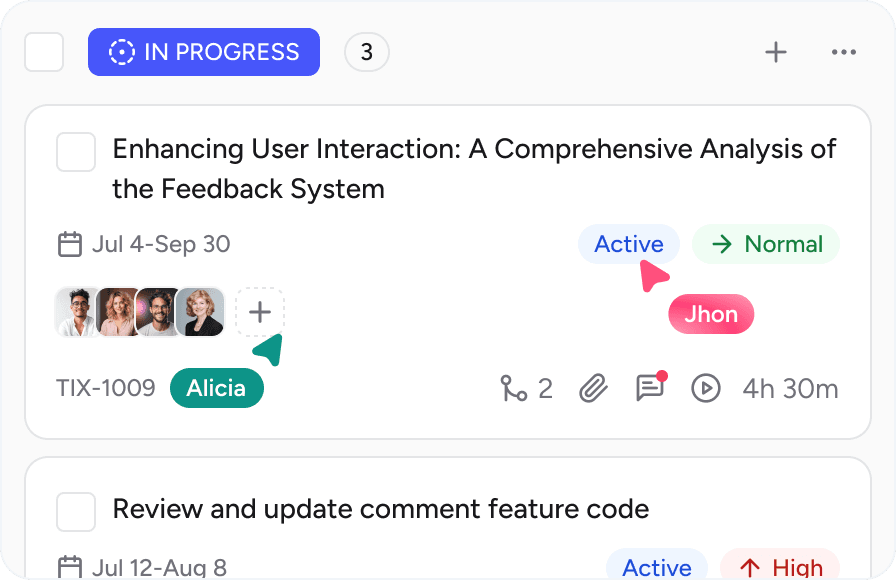
Every departure becomes a project with the same checklist: seats held, deposit taken, hotel confirmed, transfers booked, visa file complete, documents issued, balance collected. Custom fields carry the supplier name, the confirmation number, the option deadline and the balance due date, so those details sit on the task instead of in a thread. Recurring tasks handle the seasonal build, so the ski programme starts rebuilding itself in October rather than being remembered in November.
Wiki: the answers that stop being asked every week
Destination pages, supplier terms, cancellation windows and visa requirement pages live as nested wiki pages with global search across all of them. When a new consultant asks what the document list is for a self employed applicant, the answer is a page, not a colleague's lunch break. Page level permissions keep net rates away from people who should only ever see gross.
CRM add on: enquiry to booking without a spreadsheet
The CRM turns enquiries into a Kanban pipeline: new enquiry, quoted, holding, deposit paid, booked. Activity tracking shows who spoke to the client last and what was quoted, and you can send email straight from the CRM so the trail sits on the lead record rather than in one consultant's sent items. It is a 5 dollar per user add on.
Chat: an operations channel per departure
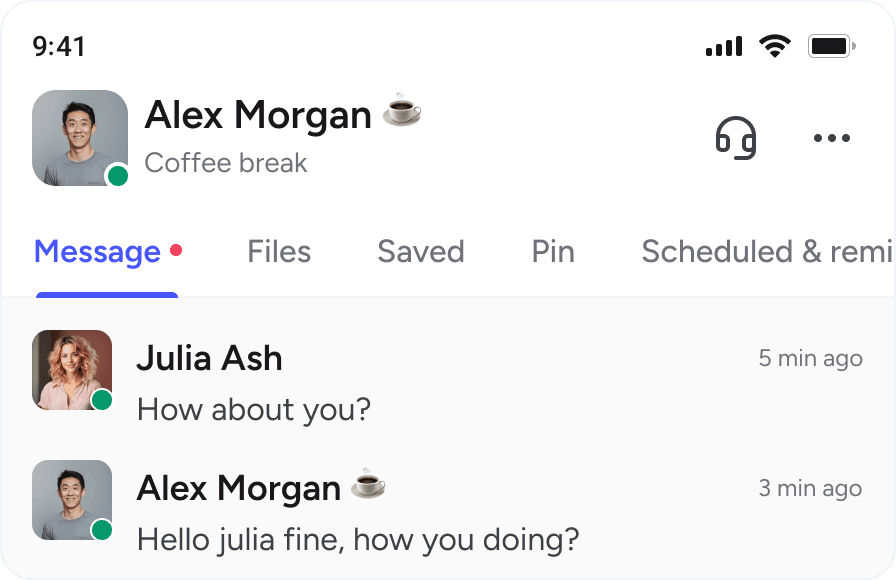
Each departure gets a channel. The hotel change at 11pm goes there, not into a group chat that also contains a birthday plan. Threads keep the transfer argument separate from the rooming list, and scheduled messages let you queue the reminder that has to go out 72 hours before wheels up.
Boards: the daily ops start page
One board shows today's departures, this week's option deadlines, the balance chase list, the visa files still waiting on documents, and an embedded flight status page. It is the screen your ops lead opens at 8am and does not close until the last transfer lands.
How a tour operator week runs in Tixio
- Monday morning: open the ops board and check the option deadlines expiring this week alongside every departure inside 14 days.
- New enquiries land in the CRM pipeline. The consultant quotes from a wiki template and logs the quote against the lead.
- Deposit paid, the enquiry becomes a project built from your standard departure template, checklist and custom fields already in place.
- Suppliers get chased from inside the project. Confirmation numbers go into the custom field as they land, so anyone can verify a booking without asking.
- Visa files run as subtasks, one per passenger, against the same checklist every time. That repetition is the entire point.
- Ten days out, the manifest task drives the rooming list, dietary notes and pickup times, and the final version goes to the ground handler from one place.
- After return, a feedback task collects the client response, and anything that went wrong gets written into that supplier's wiki page so next season's team inherits it.
What you can stop paying for
Most agencies this size run a project tool at 10 to 13 dollars per user, a wiki at 8 to 10, a chat tool at 7 to 8 and a light CRM at 20 to 25 dollars per seat. That is roughly 45 to 55 dollars per user per month before anyone has booked anything, plus the tax of four separate logins.
Tixio Team is 9 dollars per user per month, or 6.30 billed yearly, with the CRM add on at 5 dollars. For a 12 person agency on yearly billing that lands near 136 dollars a month including CRM, against roughly 600 for the separate stack.
Who this is for
Independent agencies, tour operators, DMCs and group travel specialists roughly between 5 and 80 people, where one coordinator is holding several departures at once.
Tixio is not a GDS, a booking engine or a reservation system. It does not issue tickets, hold inventory, price fares or talk to Amadeus, Sabre or Travelport. Keep whatever you book in. Tixio is the layer around it, where the coordination actually happens, and where most of the lost hours are anyway.
This is probably not for you if you are a single consultant handling twenty bookings a year. Your inbox is still fine.
Getting started
Build one project template for your most common departure type, with the checklist and the supplier custom fields on it, then run your next three bookings through it. You will know within a fortnight whether confirmation numbers have stopped going missing.
Tixio is 14 days of full access, free, and no credit card is needed.
Related reading: Tixio for agencies, Tixio for remote teams managing multiple clients, Tixio vs ClickUp.