As remote work becomes the norm for many organizations, it brings with it a unique set of challenges that can hinder productivity and team cohesion. Understanding these challenges is the first step toward overcoming them.
One of the most significant issues is the lack of face-to-face interaction, which can lead to feelings of isolation among team members. This isolation can affect morale and motivation, making it essential for leaders to foster a sense of community within their teams.
Building Connections in a Virtual World
To combat isolation, companies should prioritize regular check-ins and virtual team-building activities. These initiatives can help maintain relationships and ensure that team members feel valued and connected. For instance, scheduling weekly video calls can provide a platform for team members to share updates and engage in casual conversations, mimicking the informal interactions that occur in an office setting.
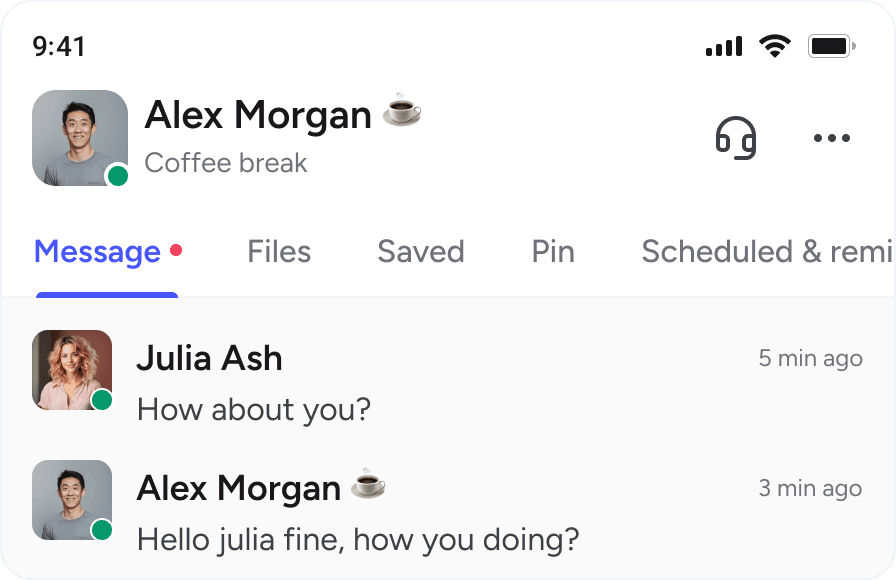
Additionally, utilizing collaboration tools effectively can bridge the communication gap. Tools like Slack, Microsoft Teams, and Zoom can facilitate real-time communication and collaboration, allowing teams to work together seamlessly, regardless of their physical location.
Establishing Clear Expectations
Another challenge of remote work is the potential for miscommunication. Without clear guidelines, team members may have different interpretations of their roles and responsibilities. To mitigate this, leaders should establish clear expectations and provide detailed project briefs. Regular feedback sessions can also help ensure that everyone is on the same page and working towards common goals.
"Clear communication is the cornerstone of successful remote work."
By fostering an environment of transparency and open dialogue, teams can navigate the complexities of remote work more effectively.
Emphasizing Work-Life Balance
Lastly, it’s crucial to address the work-life balance of remote employees. The blurring of lines between work and personal life can lead to burnout. Encouraging employees to set boundaries, such as designated work hours and regular breaks, can help maintain their well-being and productivity.
In conclusion, while remote work presents challenges, proactive strategies can help teams thrive in a virtual environment. By building connections, establishing clear expectations, and promoting work-life balance, organizations can create a collaborative and productive remote work culture.