Ecommerce is a calendar business run on adrenaline. A product launch, a flash sale, a restock and a supplier delay all land in the same week, and the one person who knows the lead time on that supplier is on annual leave.
The systems are usually fine. The store takes orders, the 3PL ships them, the ad platform spends the money. What breaks is the coordination between them.
Tixio is where the team runs that coordination: the launch plan, the promo calendar, the supplier terms, the answers support keeps re-typing.
Why ecommerce operations break down
- The campaign calendar lives in three places. Marketing has a spreadsheet, the founder has a Google Calendar, and the real dates are in a chat thread from six weeks ago.
- Product launches have no single owner. The photoshoot brief, the copy, the size chart, the PDP build and the email are five people working from five assumptions about the date.
- Supplier knowledge sits in one inbox. Minimum order quantity, lead time, payment terms and the name of the person who actually replies live in emails nobody else can search.
- Support re-types the same answer forever. The returns policy, the warranty window and the "where is my order" reply get rewritten by every new hire, slightly differently.
- Peak season plans go stale. Last year's Black Friday plan is a PDF on someone's desktop, so this year starts from a blank page.
- The morning check is a bookmark hunt. Sales dashboard, ad account, inbox, 3PL portal, returns queue. Five tabs, five logins, every day.
What Tixio does for ecommerce and retail teams
Tixio is a Work OS that replaces the stack of tools your team coordinates in. Here is what each part does for a brand.
Tixio Projects: a launch project per SKU, and a promo calendar you can trust
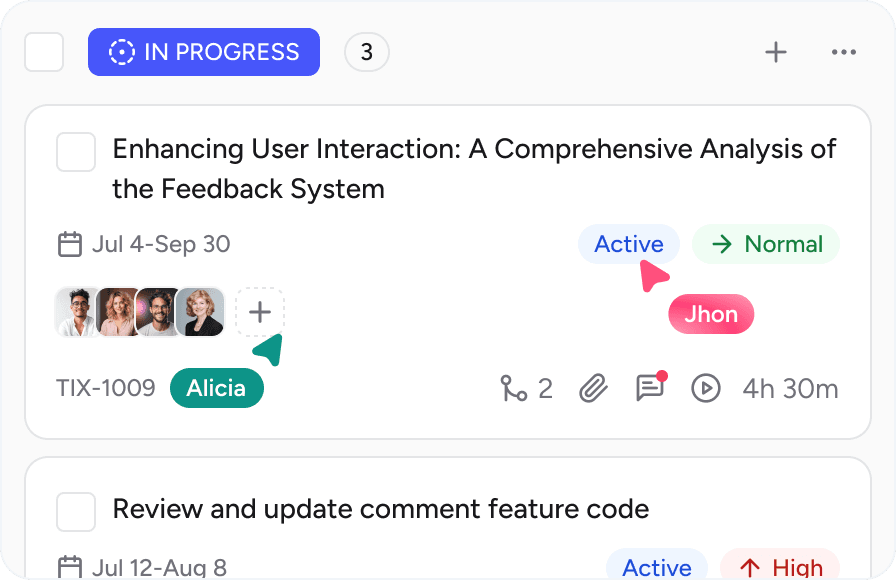
Run one project per launch or collection drop, with the photoshoot brief, the copy, the PDP build and the email send as subtasks against real owners and dates. Switch to Calendar view and the promo calendar appears on one grid, not three competing documents.
Recurring tasks handle the work that never stops: the weekly stock reorder review, the Monday numbers pull, the monthly supplier check-in. Custom fields hold supplier, lead time in days, reorder point and PO number, and project reports tell you afterwards how long the launch really took.
Tixio Wiki: supplier terms and support answers that stop living in someone's head
Give every supplier a nested page: terms, MOQ, lead time, freight, contact, and what went wrong last time. Product spec sheets sit beside them, so the PDP writer and the support agent read one source.
The returns and warranty policy lives here as one page, with the customer service macros underneath it. When the policy changes, it changes once, and global search means a new hire finds it in five seconds instead of asking in chat.
Canvas: campaign planning and site merchandising before anyone builds it
Plan the quarter on an infinite whiteboard: campaign beats, hero products, offer structure, where everyone can see the shape of it.
Merchandising works the same way. Sketch the homepage and collection layout, argue about it there, then hand a settled decision to whoever builds it. Cheaper than arguing in the live theme.
Chat: an ops channel and a peak season war room
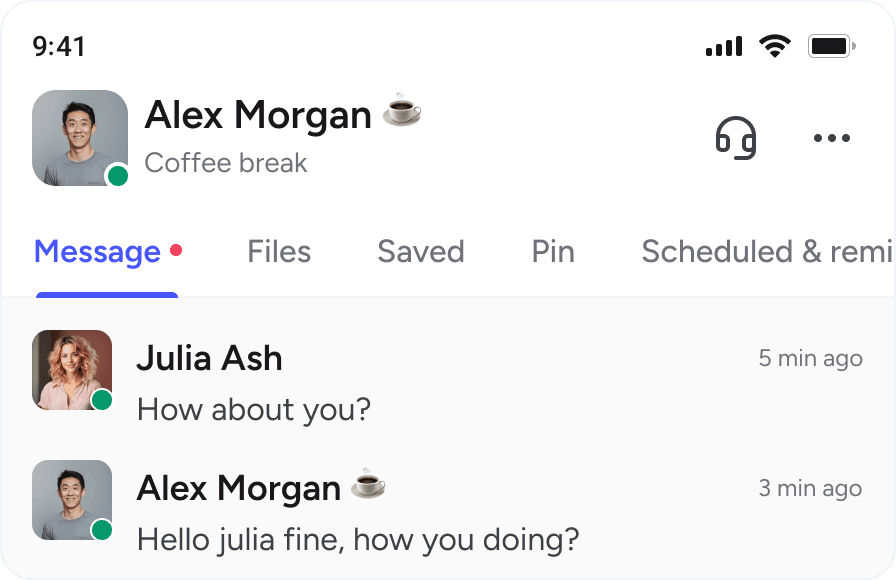
Keep a permanent ops channel for the daily stuff: stock queries, courier problems, a listing that broke. Then open a peak season channel and close it in January.
During Black Friday you want one place where inventory, support and paid media see each other, not eleven DMs. When a thread stops being useful, jump into a Tixio Meetings call from the DM.
Boards: a daily ops start page
Build one board as your morning start page: grouped bookmarks for the store admin, the ad accounts, the 3PL portal and the returns queue, plus embedded dashboards, a to do list and the day's notes. The least glamorous module, and the one people open most.
Tixio CRM: wholesale and B2B enquiries
Direct to consumer is not the whole business for most brands. Wholesale enquiries, stockist conversations and corporate gifting need a pipeline, not an inbox folder. Tixio CRM gives you a leads list, a Kanban pipeline, activity tracking and email from inside the record. It is a 5 dollar per user add on.
How a launch week runs in Tixio
- Monday, the launch project shows eleven open tasks with named owners. The photoshoot brief is done, the size chart is not.
- The recurring stock reorder review fires. Two SKUs are under their reorder point, so a PO task appears with the supplier already filled in.
- Someone asks in the ops channel what the lead time is. Nobody guesses. The Wiki page says 34 days and lists the last two times it slipped.
- The campaign Canvas gets a fifteen minute review in a Tixio Meetings call, and the AI summary lands in the project so whoever missed it is not blocked.
- Wednesday, a supplier delay lands. You move the launch date in Calendar view and the dependent tasks move with it, in front of everyone.
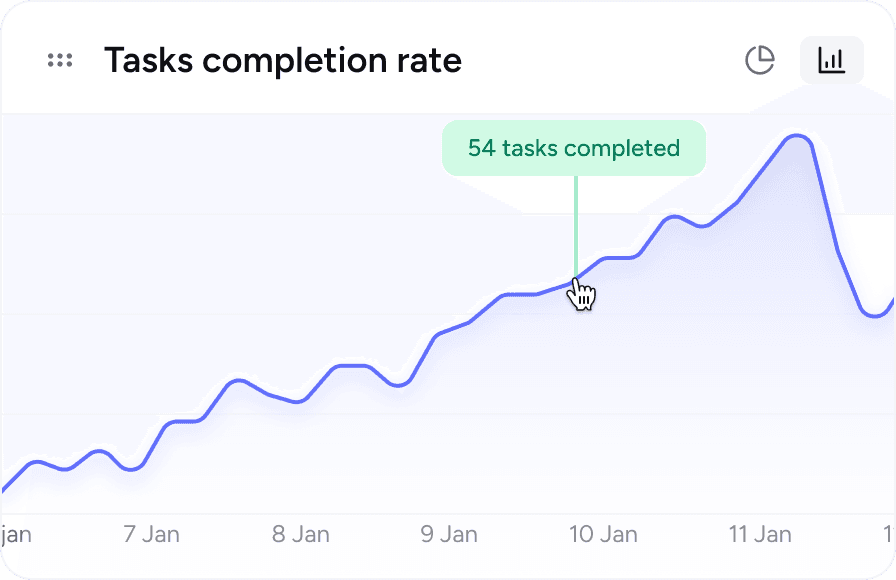
- Friday, the project report shows where the week went. That feeds the Black Friday plan, a Wiki page you update rather than a PDF you rewrite.
What you can stop paying for
Most ecommerce teams pay for a project tool, a docs tool, a chat tool, a whiteboard and a light CRM. Roughly 11 dollars for Asana, 10 for Notion, 9 for Slack and 8 for Miro. Call it 38 dollars per user per month before anyone does any work.
Tixio Team is 9 dollars per user per month, or 6.30 billed yearly, and covers projects, wiki, chat, canvas, boards and meetings. The CRM add on is 5 dollars.
For a 15 person team on yearly billing with the add on, that is around 170 dollars a month against roughly 570. The bigger saving is the one you cannot invoice: nobody has to remember which of five tools the answer is in.
Who this is for
Tixio suits ecommerce and retail brands of 5 to 100 people who sell online and coordinate with suppliers, agencies and a 3PL.
Be clear about what it is not. Tixio is not a store platform, not an inventory management system and not a PIM, and it does not connect to Shopify. Your stock, orders and product data stay where they are. Tixio is the layer where the team coordinates around those systems.
So this is probably not for you if what you need is demand forecasting, warehouse management or a product data pipeline. Integrations today are Zapier, Gmail, Google Calendar, Excel, Loom and Facebook Leads.
Getting started
Start with one launch. Create a project for your next drop, put every task in it with an owner and a date, then switch to Calendar view. That alone usually exposes two dates nobody had agreed on. Then move supplier terms into Wiki, one page per supplier, before the next reorder.
Tixio gives you 14 days of full access, free, no credit card required. There is no free forever plan, so you get the whole product.
Related reading: Tixio for agencies, Tixio for logistics and Tixio vs ClickUp.