A few years ago, SaaS culture encouraged something simple:
Use the best tool for each problem.
It sounded logical.
Best chat tool.
Best project tool.
Best CRM.
Best documentation system.
But something interesting happened.
Companies realized they had built a digital maze.
The Rise of Tool Sprawl
According to BetterCloud’s SaaS Trends Report,
Organizations now use an average of 110 SaaS applications.
For large companies that number exceeds 250 tools.
More tools don’t always mean more productivity.
Often they mean:
- more switching
- more logins
- more data silos
The Psychology of Context Switching
Research from the American Psychological Association
Shows that switching tasks frequently can reduce productivity by up to 40%.
Imagine switching between:
- Slack
- project boards
- spreadsheets
- documentation tools
Every hour.
A unified team collaboration tool reduces that mental fragmentation.
What Companies Actually Want Now
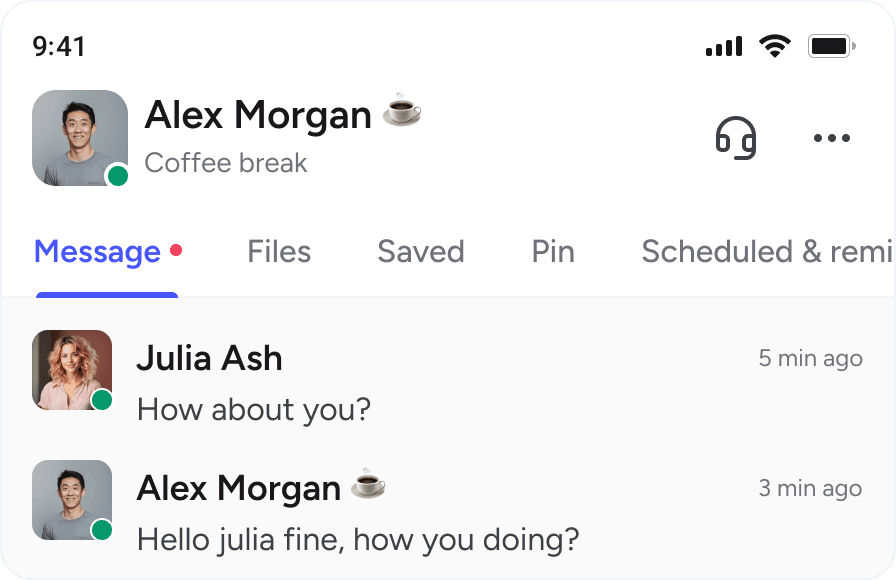
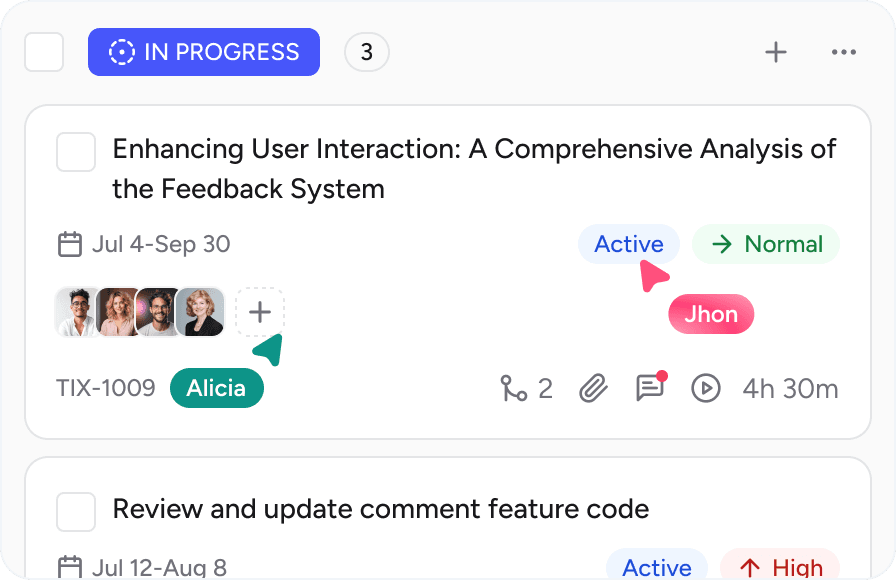
Modern teams are shifting toward platforms that combine:
- communication
- projects
- documentation
- workflows
Not because they want fewer tools.
Because they want less friction.
The Operating System Concept
Some founders describe modern collaboration platforms as “work operating systems.”
Just like an operating system organizes applications on your computer, a team collaboration tool organizes work inside a company.
It becomes the environment where work happens.
Not just another tab.