Your EMR holds the patient records. Almost nothing else in the clinic has a proper home.
The staff rota is a spreadsheet with a version number in the filename. The clinical policy library is a shared drive folder that three people are afraid to touch. The autoclave service log is a paper binder in the back room.
Tixio runs the operations side of a clinic. Patient records, clinical notes and anything patient identifiable stay in your EMR, where they belong. Tixio handles everything around the clinical system: staff, rotas, suppliers, policies, projects and admin.
To be plain, we are not a healthcare platform. We make no HIPAA claim and hold no healthcare certification. Treat Tixio as your back office, not your clinical record.
Why clinic back office work falls apart
- The rota lives in a file, not a system. It goes out by email on Thursday, someone swaps a shift by text, and by Tuesday nobody knows which version is real.
- Policies get written once and reviewed never. The infection control policy says annual review, the review date passed fourteen months ago, and there is no record of who approved the last version.
- Equipment maintenance is remembered, not logged. The autoclave validation, the fridge temperature checks and the defibrillator battery all depend on one person's memory and one paper binder.
- The new clinician onboarding pack is reinvented every time. Background check, indemnity certificate, registration number, IT accounts, induction, competency sign off. Six people touch it and nobody owns it.
- Inspection prep becomes a two week scramble. The CQC or accreditation evidence file exists in theory, scattered across four drives, two inboxes and a filing cabinet.
- Supplier ordering happens in a group chat on someone's phone. The consumables order, the invoice and the delivery dispute all live in a thread that walks out of the building when the practice manager leaves.
What Tixio does for a clinic
Six modules cover most clinic admin.
Tixio Wiki: the policy and SOP library, with a version history
Every clinical policy, reception SOP and staff handbook page lives as a nested page with version history and inline comments. Page level permissions mean the clinical governance section is visible to the clinical team and the payroll notes are not. Global search finds the sterilisation SOP in a second, which matters when an inspector is standing in your treatment room.
Tixio Projects: compliance and maintenance work that actually recurs
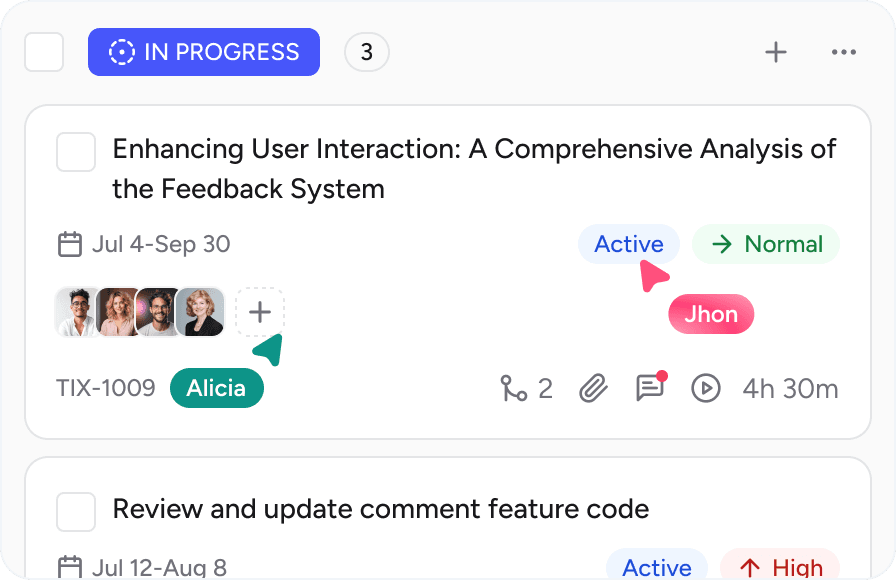
Recurring tasks handle the calendar you cannot afford to miss: monthly fire alarm test, quarterly equipment service, annual policy review, insurance renewal. Bigger work gets a project. Audit prep, a second site opening, a new scanner install, each with owners and due dates. The equipment maintenance log stops being a binder and becomes a task history with dates and attachments.
Tixio HR: rotas, leave, contracts and training records
Attendance and time tracking cover the rota and who actually worked it. Leave management stops the double booked annual leave that leaves a Friday clinic with one nurse. Contracts sit with version history, onboarding and offboarding checklists make the new clinician pack repeatable, and skills tracking records training, certifications and renewal dates, which matters for clinical revalidation. Tixio HR is a paid add on at 5 dollars per user per month.
Chat: internal staff comms, with one hard rule
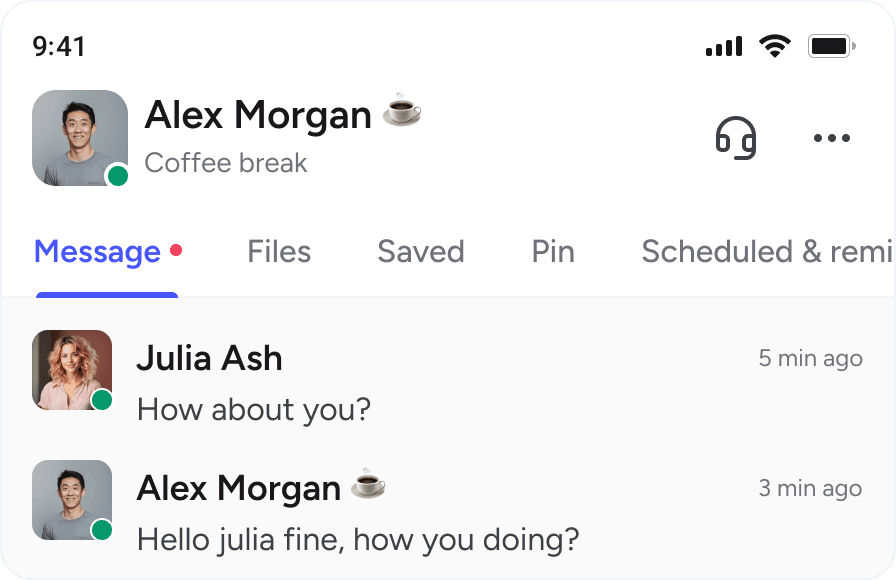
Channels for reception, the clinical team and each site, plus DMs, threads and scheduled reminders. The hard rule: no patient identifiable information in chat. Not a name, not a date of birth, not a photo of a chart. Anything clinical belongs in your clinical system. Say it out loud during induction so it becomes a habit, not a policy nobody reads.
Tixio Meetings: practice meetings that produce minutes and actions
Native video with recording, AI transcription and summaries, so the practice meeting minutes write themselves instead of falling to whoever types fastest. Notes and action items sync straight to tasks, so a decision becomes an owned job. Same caveat applies. Case discussions belong in your clinical system, not here.
Boards: the start page for the front desk
A Board is a shared start page on an infinite canvas. Put the current rota, the supplier contact list, the on call number, the opening and closing checklist, and bookmarks to your EMR and lab portal. New reception staff get one link instead of a tour.
How a practice manager week runs in Tixio
- Monday morning, open the practice Board, check the week's rota and the leave calendar in Tixio HR, and fill the two gaps before the phones start.
- Monday afternoon, the recurring compliance tasks fire. Fridge temperature log signed off, fire alarm test booked, evidence attached to the task.
- Tuesday, the supplier order goes out from a Project task with the quote attached, so the invoice dispute in six weeks has a paper trail.
- Wednesday, a new hygienist starts and the onboarding checklist in Tixio HR runs itself. Contract, registration check, indemnity certificate, IT accounts, induction Wiki page, competency sign off.
- Thursday, the practice meeting runs in Tixio Meetings. The minutes attach to a Wiki page and three action items become tasks with owners.
- Friday, two policies hit their annual review date. The clinical lead edits them in Wiki and the version history records what changed, when, and who approved it.
- Any week, inspection notice arrives. The accreditation evidence file is a Wiki section that has been quietly filling itself all year, not a two week panic.
What you can stop paying for
Most clinics run four or five subscriptions to cover this: a rota tool, an HR system, a shared drive, a task tool and a chat app. Rota, HR and task software alone usually land between 15 and 30 dollars per user per month before storage.
Tixio Team is 9 dollars per user per month, or 6.30 billed yearly. Add Tixio HR at 5 dollars per user per month for rotas, leave, contracts and training records.
A 15 person clinic on Team plus the HR add on is 210 dollars a month, replacing a stack that commonly costs two to three times that. Starter at 4 dollars per user per month works if you only need wiki, boards and basic project management.
Who this is for
Single site private practices, dental and optical groups, physio and allied health clinics, veterinary practices, and small multi site groups where one practice manager holds the whole operation together.
This is probably not for you if you want Tixio anywhere near clinical data. Tixio is not an EMR, not a patient portal, not a booking or e-prescribing system, and not a claims or billing platform. It does not integrate with clinical systems and we hold no healthcare certifications. If your problem is patient records, buy a clinical system. If your problem is that your rota, your policies and your supplier orders are scattered across six places, that is us.
Getting started
Move the policy library first. Create a Wiki space, one page per policy, set page level permissions, then create a recurring annual review task in Projects for each policy with a named owner. That one step removes the largest inspection risk in most buildings.
Then run it properly: 14 days of full access, free, no credit card required.
Related reading: Tixio for HR ops, Tixio for legal and compliance teams and Tixio vs Notion.