An editorial operation is a factory that likes to think of itself as an art form.
Every piece passes through pitch, assign, draft, edit, fact check, legal, design, publish and promote. Nine stages, most of them handoffs.
Almost every team tracks that in one spreadsheet, maintained by one person and ignored by everyone else.
Why editorial operations break down
- The calendar and the pipeline are two different files. The publishing calendar says the feature runs Thursday. The pipeline says the Thursday feature is still sitting in fact check, and the two documents never talk to each other.
- Commissions go out without a real brief. A contributor gets a word count and a deadline in an email, then files 2,400 words on the wrong angle, and the edit turns into a rewrite.
- Fact check and legal arrive as an interruption. They are treated as favours rather than stages, so they land at 6pm the night before publication and somebody has to decide whether to run it anyway.
- Image rights get cleared after the piece is live. Nobody owns that step, so it becomes a takedown email instead of a checkbox.
- Freelancers ask the same five questions every time. Rates, invoicing, serial commas, image sizing, who to send the draft to. Answered by hand, again, by whoever replies first.
- Nobody closes the loop on traffic. The review that would tell you what to commission next month never gets scheduled, so next month looks a lot like this one.
What Tixio does for media and publishing teams
Tixio holds the pipeline, the house rules, the desk conversation and the contributors in one workspace. Six parts matter for editorial work.
Tixio Projects: the pipeline as a board with real stages
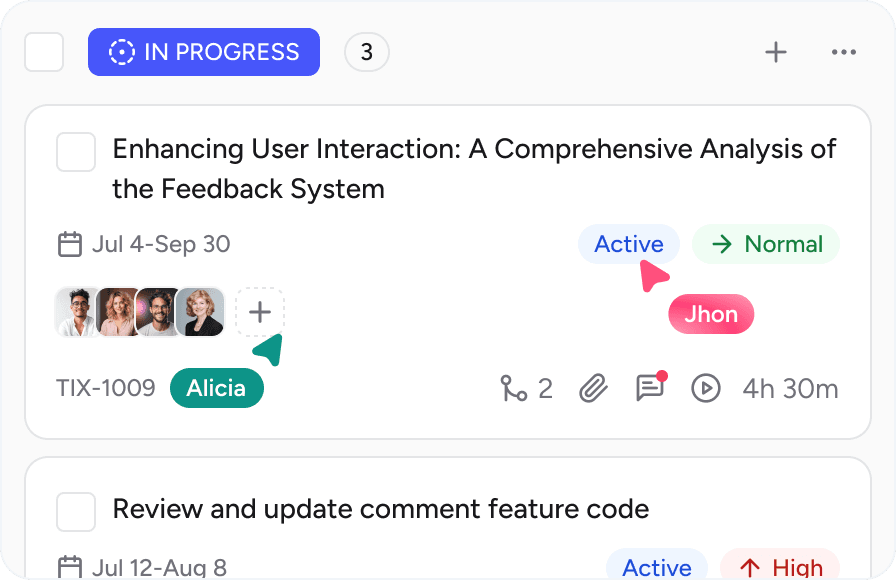
Build the editorial pipeline as a Kanban board using the stages you actually run: pitched, commissioned, drafting, editing, fact check, legal, design, scheduled, live.
Custom fields carry section, contributor, word count and embargo date, so you can filter to every piece the food desk owes you this month.
Switch the same board to Calendar view and it is your publishing calendar. Same data, no second file to reconcile.
Recurring tasks create the weekly newsletter and the Monday pitch meeting on their own, which removes one of the more embarrassing ways to miss a deadline.
Tixio Wiki: the answer to the same five questions
Put the style guide, house rules, standard rates, contributor onboarding and the invoicing process in the Wiki.
Page level permissions keep rates visible to editors and not to the whole freelance pool.
When a new writer starts you send one link instead of five replies over three days.
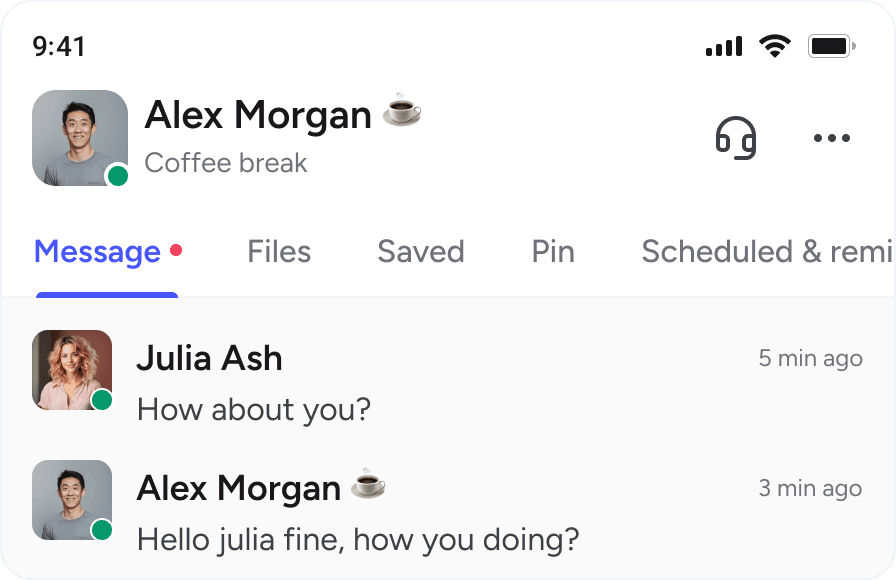
Chat: a channel per desk, a thread per issue
Give each desk a channel and each issue a thread in Chat, so the argument about the cover line is findable in November when someone asks why you ran it.
Scheduled messages handle embargo reminders, and file sharing means the corrected caption is not buried in a DM.
Canvas: plan the issue before it becomes a task list
Canvas is where issue planning happens, on an infinite whiteboard with everyone editing at once.
Map features against ad pages, group a quarter of content strategy by theme, sketch the series before you commission any of it. Then turn the version you agreed on into cards.
Tixio Connect and guest users: contributors see their commission and nothing else
If half your writers are external, this is the part that matters. Guest users get access to their commission and the brief attached to it, not the whole pipeline, not the rates page, not next month's exclusives.
Tixio Connect goes further and shares a single Project, Wiki page, Canvas or Board with a partner in their own workspace, which is useful for a syndication deal or an agency producing a supplement for you.
Meetings and Boards: the pitch meeting stops evaporating
Tixio Meetings records the editorial meeting and produces a transcript, an AI summary and action items that sync straight to tasks, so the pitch someone made on Monday is still a card on Friday.
Boards gives each editor a start page: this week's schedule, RSS feeds from the competition, and bookmarks to analytics and the CMS grouped where you can find them.
How an editorial week runs in Tixio
- Monday pitch meeting runs in Meetings and is recorded. Approved pitches become cards on the pipeline board with a section, an owner and a target date.
- The commission goes out as a task assigned to a contributor who is a guest user, with the brief attached, and word count, rate and deadline in custom fields.
- The draft lands and the editor moves the card to editing. Three rounds of edits are three comment threads on one document, not three email chains and a file called final-v3.
- Fact check and legal are stages with named owners. A card cannot reach scheduled until both are done, which is the whole point of making them stages.
- Design and image rights clearance run as subtasks, with the rights source and licence recorded in a field rather than in somebody's memory.
- Publication day: the card moves to scheduled with the embargo date on the calendar, and promotion tasks for the newsletter and social land automatically.
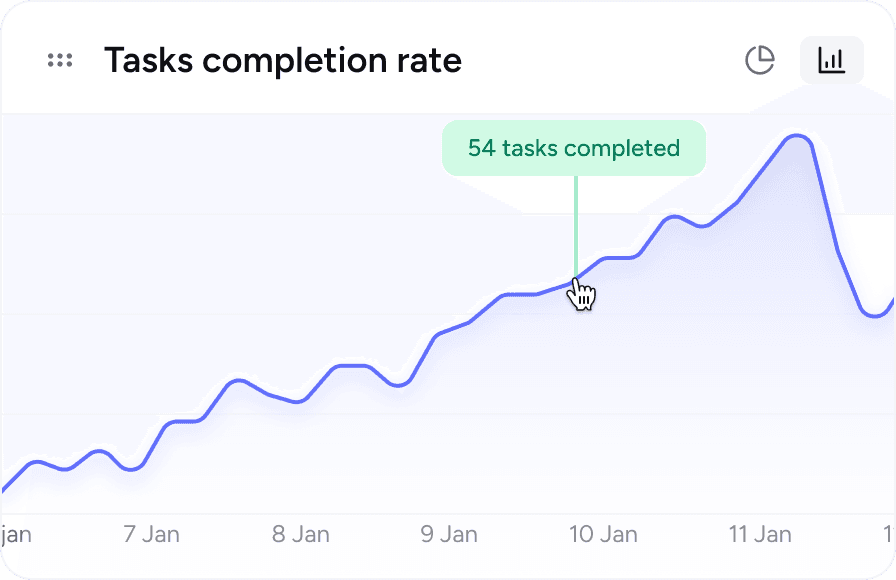
- Two weeks later a recurring task opens the traffic review, and what you learn there goes into next month's calendar instead of nowhere.
What you can stop paying for
Most editorial teams pay for six tools to do this. A project tracker at around 11 dollars per user, a chat tool at 8.75, a wiki at 10, a whiteboard at 8, a video tool at 16, plus something for guest access. That is roughly 53 dollars per user per month before anyone has written a sentence.
Tixio Team is 9 dollars per user per month, or 6.30 billed yearly, and includes unlimited projects, Kanban, Calendar and Roadmap views, unlimited Canvas, unlimited chat groups, automations and up to 20 guest users.
For a 15 person desk that is about 135 dollars a month against roughly 800. The full breakdown is on pricing.
Who this is for
Newsrooms, magazines, trade and B2B publishers, newsletter operations, podcast networks and content marketing teams that commission regularly and work with freelancers.
Now the honest part. Tixio is not a CMS. It does not publish to your website, it does not model content types, and it will not replace WordPress or whatever your developers are attached to. It is also not a digital asset management system, so keep your photo library where it is.
Tixio manages everything that happens before someone presses publish, plus the conversation around it. That is a large amount of your week, but it is not the whole job.
This is probably not for you if you are two people and a shared Google Doc. You do not have a coordination problem yet, and buying software for one is a good way to invent one.
Getting started
Build one board. Your real stages, this month's commissioned pieces, one custom field for section and one for contributor. It takes an afternoon, and by the end of it you will know exactly how many pieces are stuck in fact check.
Then run it for a cycle. Tixio gives you 14 days of full access, free, with no credit card required.
Related reading: Tixio for agencies, Tixio for freelancers and Tixio vs Notion.