The Real Question You're Asking
You're not really asking "which tool has more features." You're asking: which one will actually make my team's workday less chaotic?
That's the right question. And the honest answer is: it depends on what kind of chaos you're dealing with.
This comparison breaks down Tixio and monday.com across the things that matter most — features, pricing, use cases, and who each platform genuinely serves best. No fluff, no fake scores.
What Each Platform Actually Does
Tixio: One App for Everything
Tixio is built around a simple idea: your team shouldn't need five different apps to get through a single workday.
It brings together team chat, project management, wikis, a collaborative canvas, HR, and CRM into one workspace. Less switching, fewer logins, and no more "wait, where did we put that file?" It's designed for small teams, growing businesses, agencies, and enterprises that are tired of duct-taping tools together.
If you want to understand the thinking behind it, the story behind Tixio's concept is worth a read.
monday.com: Work OS Built Around Projects
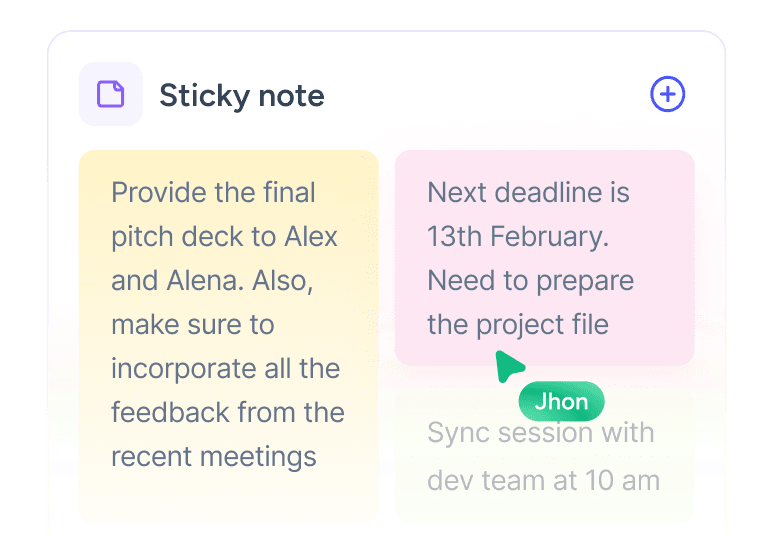
monday.com positions itself as a Work OS — a flexible project and workflow management platform. It's strong on task tracking, automations, and visual project views, and it has a large app marketplace with dozens of integrations.
Where it goes deep on project workflows, it leans on those integrations — and often additional cost — to cover communication, documentation, and HR.
Feature-by-Feature Breakdown
Project Management
Both platforms handle project management well, but they take different approaches.
Tixio gives you:
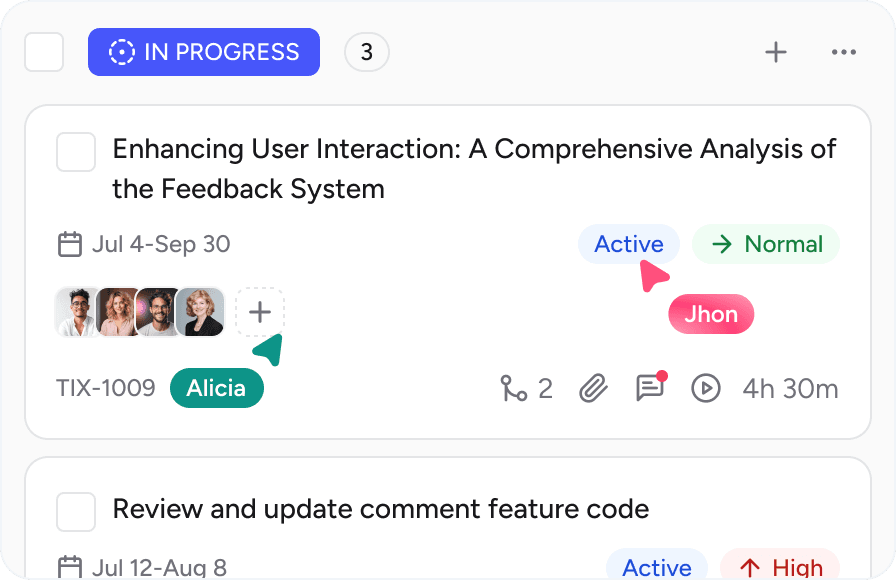
- Kanban boards, roadmaps, and calendar views
- Task and subtask tracking
- Built-in automations
- Project-level reporting
monday.com gives you:
- Highly customizable boards with multiple view types (Gantt, timeline, workload)
- Powerful automations and conditional logic
- A larger library of project templates
- Deeper dependency management for complex, multi-phase projects
Verdict: monday.com has a slight edge for teams running intricate projects with lots of moving dependencies. Tixio covers the needs of most teams without the configuration overhead.
Team Communication
This is where the gap opens up.
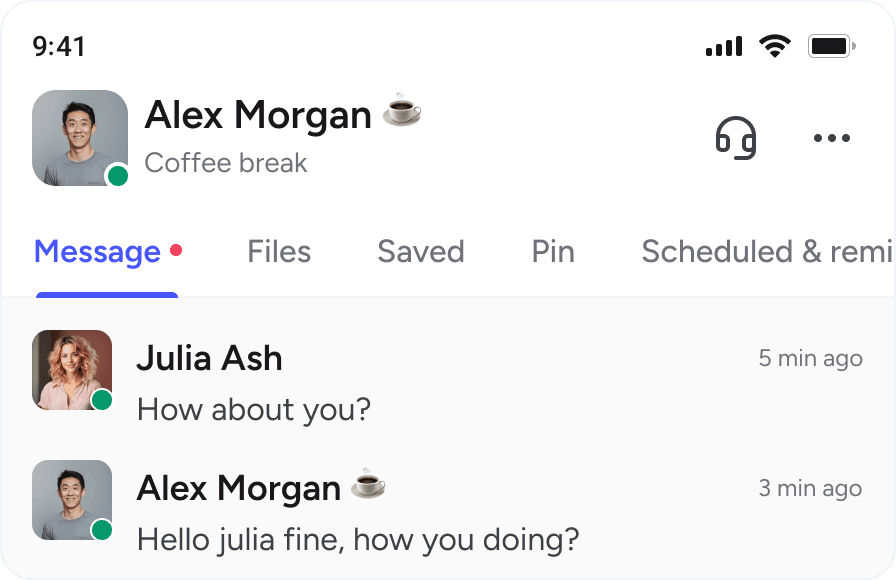
Tixio has full-featured chat built right in — channels, direct messages, threads, file sharing, and meeting support. Your team communicates and works in the same app. No toggling to Slack.
monday.com has a basic update and comment system tied to tasks and boards. For real-time team chat, you'll need to connect Slack, Microsoft Teams, or something else separately.
Verdict: Tixio wins here, clearly. If your team communicates a lot — and whose doesn't? — having chat in the same workspace saves real time every single day.
Documentation and Knowledge
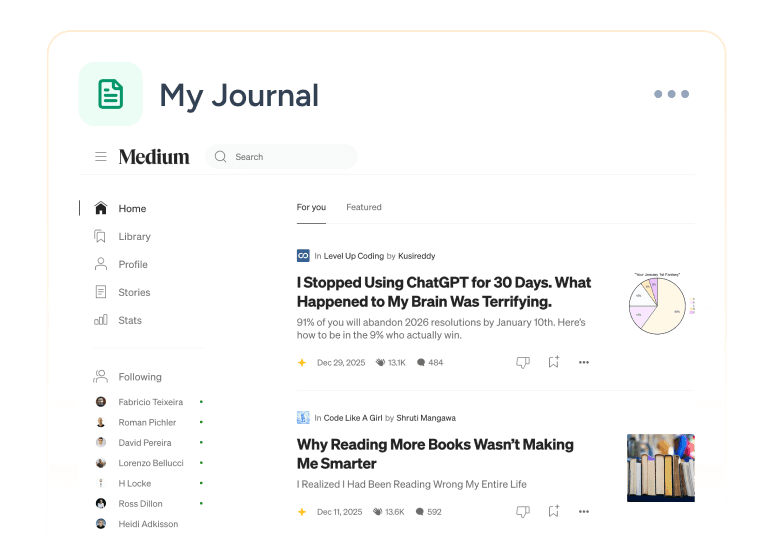
Tixio includes a wiki builder for internal documentation, with comments, embeds, and collaborative editing. Your team's knowledge hub lives right next to your projects and conversations.
monday.com has a basic docs feature, but it's not a full wiki system. For anything beyond simple notes, most monday.com teams end up adding Notion or Confluence.
Verdict: Tixio handles documentation natively. monday.com needs a third-party add-on the moment your documentation needs get serious.
HR and People Operations
Tixio offers a dedicated HR add-on that covers:
- Attendance tracking
- Leave management
- Payroll
- Contracts
- Onboarding workflows
That's a meaningful differentiator. Most collaboration tools don't go anywhere near HR.
monday.com has HR-related templates and workflows you can build out, but there's no native HR module. You'd need a separate HRIS (Human Resources Information System) tool or a significant amount of custom configuration to get there.
Verdict: Tixio wins outright for teams that want HR and operations living in the same platform as everything else.
CRM and Sales Pipeline
Tixio includes a CRM add-on with:
- Lead management
- Deal pipelines
- Email and calendar integration
- Activity tracking
Built in, not bolted on.
monday.com has a CRM product — monday CRM — that's genuinely capable. It's a separate product with its own pricing, but it's more mature and feature-rich than Tixio's CRM at this stage.
Verdict: monday.com's CRM is the stronger choice if sales pipeline management is your primary need. Tixio's CRM works well for teams that want basic pipeline visibility without a dedicated sales tool.
Whiteboard and Visual Collaboration
Tixio has a collaborative canvas — a whiteboard-style space for embedding items, building flowcharts, and brainstorming visually.
monday.com has a Workdocs feature and integrates with Miro and similar tools, but there's no native whiteboard in the core product.
Verdict: Tixio covers this natively. monday.com users typically reach for a third-party tool.
Pricing: Where Things Get Real
monday.com's per-seat pricing starts reasonably, but costs climb fast once you add automations, integrations, and products like monday CRM or advanced analytics. Many teams also end up paying separately for Slack, Notion, and Miro on top of their monday.com subscription.
Tixio's model is designed to replace that stack. Chat, projects, wikis, canvas, HR, and CRM — one subscription. For teams currently juggling multiple tools, the math often favors Tixio by a meaningful margin.
Check Tixio's pricing page for current plan details.
The broader pattern is real: teams are moving away from managing five separate subscriptions toward a single platform. If that sounds familiar, why modern companies are replacing multiple tools with one collaboration platform explains the shift well.
Who Should Choose Tixio?
Tixio is the better fit if:
- You want one app instead of a stack of integrations
- You need chat built in — not wired in through a third-party
- HR and operations matter to your team, not just project tracking
- You're a small or growing team that doesn't need enterprise-grade dependency management
- Budget matters and you're currently paying for multiple tools that Tixio replaces
- You want a CRM, wiki, and whiteboard without buying three separate products
Who Should Choose monday.com?
monday.com is the better fit if:
- Complex project management is your core need — Gantt charts, workload views, intricate automations
- You're already deep in the monday.com ecosystem and switching costs are high
- You have a dedicated sales team that needs a mature CRM product
- Your team is settled on Slack and doesn't want to change communication habits
- You need enterprise-grade compliance or security features that come with monday.com's higher tiers
The Tool Sprawl Problem Both Tools Are Trying to Solve
Here's the honest framing: both Tixio and monday.com are responses to the same underlying problem. Teams accumulate too many disconnected tools, and work gets lost in the gaps between them.
monday.com solves this through integrations — connecting your existing tools into one workflow layer. Tixio solves it by replacing those tools outright.
Neither approach is wrong. But if you're starting fresh, or your current stack feels like it's held together with email threads and goodwill, Tixio's all-in-one approach removes friction that integrations can't fully eliminate.
If you want a deeper look before committing to either platform, what makes a good team collaboration tool for fast-moving teams is a useful starting point.
Ready to see how Tixio fits your team? Start free at tixio.io — no credit card required.
FAQs
Is Tixio a good alternative to monday.com? Yes, especially for teams that want communication, project management, documentation, HR, and CRM in one place. monday.com is stronger for complex project workflows, but Tixio covers more ground without requiring additional tools.
Does Tixio have project management features like monday.com? Tixio includes Kanban boards, roadmaps, calendar views, task and subtask tracking, and automations — enough to handle the needs of most teams. monday.com has more advanced options for large-scale project dependency management.
Can Tixio replace Slack and monday.com together? For most teams, yes. Tixio includes full team chat — channels, DMs, threads, file sharing — alongside project management, so you don't need a separate communication tool.
Does monday.com include HR features? Not natively. You can build HR-style workflows using monday.com's boards and templates, but there's no built-in HR module. Tixio's HR add-on covers attendance, leave, payroll, contracts, and onboarding out of the box.
Which platform is more affordable for a small team? It depends on your current stack. Tixio's pricing covers chat, projects, wikis, canvas, HR, and CRM in one subscription. If your team is currently paying for monday.com plus Slack plus Notion, Tixio will likely cost less overall.
Does Tixio have a CRM? Yes. Tixio includes a CRM add-on with lead management, deal pipelines, email and calendar integration, and activity tracking. monday.com also has a CRM product — monday CRM — which is more feature-rich but comes at an additional cost.
Is monday.com better for large enterprises? monday.com has more mature enterprise features, including advanced security, compliance options, and a larger integration marketplace. Tixio supports role-based access control, guest users, and object-level security, making it a solid fit for growing businesses and mid-sized teams.
.png)